
Shopify Product Page Design: Proven Strategies for Higher Conversion
Most Shopify product pages leak trust and conversions before a visitor even considers the ‘Add to Cart’ button. The stakes are high: each underperforming page squanders precious traffic, erodes buyer confidence, and leaves real revenue on the table. If you’re responsible for DTC growth, “good enough” isn’t enough. Every aspect of your Shopify product page design—from visuals and variant selection to sticky CTAs and trust signals—must work together to inspire confidence and turn shoppers into buyers. This guide breaks down the specific elements, optimization approaches, and performance frameworks that transform your product pages into conversion engines.
The Missing Confidence Signals on Shopify Product Pages
Why do so many strong products underperform online? In our experience, it’s often rooted in overlooked trust signals and broken buyer journeys. The majority of ecommerce brands focus on product information but skip the confidence cues shoppers rely on before clicking “Add to Cart.”
- Insufficient Product Imagery: Low-quality images, lack of lifestyle photos, or missing alternate views create doubt about product quality and fit.
- Poor Variant Handling: Confusing dropdowns, stock issues, or unclear color/size options create friction—costing sales one click at a time.
- Weak or Hidden Social Proof: Reviews, ratings, UGC, and press mentions are often buried or omitted—leaving buyers to wonder if they can trust the brand.
- Missing Value Proposition: Why should a shopper buy from you, right now, instead of elsewhere? Too many pages fail to communicate unique benefits or guarantees.
Each of these gaps doesn’t just erode trust—they lower conversion rates, especially among first-time visitors who aren’t sold on your brand story yet. This is where professional Shopify web design and optimization makes its impact. It’s not just about looking polished. It’s about selling confidence at every stage of the product page.
UX and Conversion Levers: From Visuals to Sticky CTAs
Effective ecommerce product page design isn’t left to chance. High-performing Shopify stores share core elements that make the purchase path effortless and compelling. If you want frictionless progression and fewer buyer drop-offs, consider these proven design levers:
- Visuals that Convert: Crisp, high-resolution product images (ideally on white and in lifestyle context) answer unspoken shopper questions. Videos or 360° views remove guesswork and decrease returns.
- Scannable, Persuasive Descriptions: Modern buyers don’t read every word—they scan. Use clear structure, bullet points, and bolding to highlight features, benefits, and answers to common objections.
- Obvious Social Proof: Reviews, star ratings, customer photos, and expert endorsements should be visible above and just below the fold. Don’t make buyers hunt for the validation they need.
- Always-On Sticky Add-to-Cart: A sticky CTA ensures purchasing is one thought, not a click search. Designed well, it’s a persistent nudge that increases add-to-cart rates across mobile and desktop.
- FAQs Built for Objection Handling: Preempt doubts and address points of friction with clear, collapsible FAQs right on the product page—not buried on a support page.
- Bundles and Cross-Sells: When logical, offer bundles or related “complete the look” items to increase AOV and shopper satisfaction.
This is the foundation for product page optimization ecommerce that delivers measurable results. Each detail, when executed cleanly, compounds into a frictionless shopping experience that drives revenue.
The Performance Framework: Shopify Product Page Optimization Checklist
How do you know which optimizations will have the biggest CRO impact? Use this practical decision framework to audit current product pages or guide your next redesign sprint:
- Visual Audit: Do images load fast? Do they show the product from all critical angles? Is there at least one lifestyle photo and, where useful, video or interactive views?
- Variant Clarity: Are all variants simplified and visually differentiated? Is stock status obvious and is selection frictionless on both desktop and mobile?
- Trust-building Elements: Are average star ratings and top reviews visible? Is there an easy way to scan reviews or see customer-generated photos?
- Persuasive Content: Does the headline and subheader make a specific promise? Are the main customer objections answered quickly and up front?
- Sticky CTA: Is a sticky Add to Cart present? Does it update when variant selections change? How does it look and function across viewports?
- FAQs and Shipping/Returns Info: Are key policies, guarantees, and answers to “what if?” easily accessible on the page?
- Bundling/Upsell Logic: Are recommended add-ons or value-driven bundles offered, and are they relevant to the current product?
- Performance/Load Speed: How quickly does the page load? Are scripts, images, and reviews components optimized for speed?
Brands that audit these elements quarterly—and address gaps with data-driven upgrades—outperform those clinging to legacy templates. Our team approaches Shopify website development and optimization as an ongoing, outcomes-led process—not a one-time project.
Auditing and Upgrading Your Shopify Product Page: A Revenue-First Approach
For most brands, the biggest conversion lifts come not from overhauling everything at once, but from revenue-first, iterative changes. Where to begin?
- Start with Data: Review analytics to identify high-traffic, low-conversion products, and prioritize those for your first audit.
- Benchmark and Test: Use screen recordings, heatmaps, and in-page surveys to surface where shoppers hesitate, scroll past, or abandon the cart.
- Prioritize High-Impact Fixes: Address gaps with the greatest dollar impact—often imagery, social proof, or sticky add-to-cart rather than minor color tweaks.
- Leverage the Right Tools: Robust product bundling, advanced variant selectors, dynamic FAQs, and third-party review integrations can radically upgrade buyer experience and trust.
- Iterate and Measure: Launch, measure, refine. Adopt a test-and-learn mindset—your product page is never “done.”
This dynamic approach is how category leaders stay ahead. The returns on professional CRO and page optimization compound over time, driving more revenue from every channel. Not sure where to start? D2C Design’s free audit pinpoints your quick wins and strategic opportunities for Shopify product page design and conversion improvement.
Final Thoughts
Your Shopify product pages aren’t just digital shelves—they’re the beating heart of your eCommerce revenue. Every improvement to visuals, variant logic, social proof, and call-to-action design is a direct bet on your growth. Treat optimization as a revenue discipline, not a design afterthought, and you’ll outperform on both conversion and customer loyalty.
Get a free, expert Shopify product page audit from D2C Design—pinpoint your next conversion wins. Request your audit here.
Common Questions
What are the most effective trust signals to include on a Shopify product page?
Top trust signals include star ratings, customer reviews (with photos), press mentions, secure checkout badging, and clear return and shipping policies. Product guarantees and real user-generated content can also significantly improve buyer confidence.
How do product page design choices impact my Shopify store’s conversion rate?
Design choices affect how quickly shoppers find key details, trust your offer, and act on a purchase—directly impacting conversion rate. Confusing layouts, poor visuals, hidden reviews, or hard-to-use variant selectors create friction and lost sales.
What elements should be above the fold on every ecommerce product page?
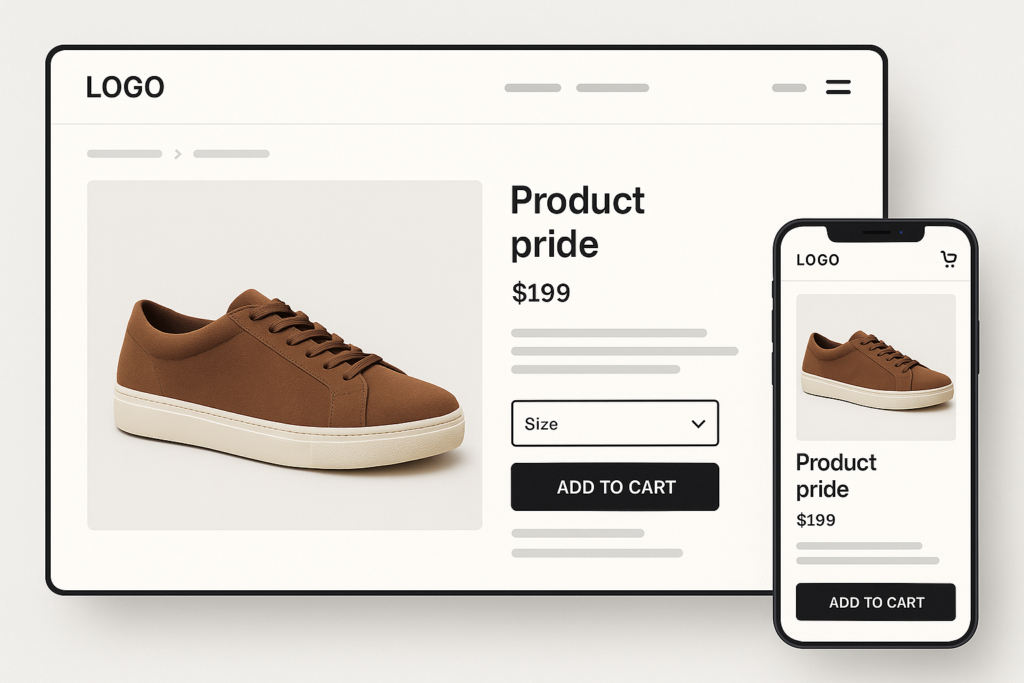
Core above-the-fold elements include high-quality product imagery, concise product title, price, clear variant options, prominent Add to Cart button, a trust badge or review score, and a succinct value proposition. Immediate access to this information accelerates decision making.
When should an ecommerce brand consider a professional product page audit?
Brands should seek a professional product page audit when launching new products, after redesigns, when traffic is up but conversion rates lag, or any time ongoing optimization is needed for revenue growth. Regular audits from an outside expert help catch missed opportunities and emerging issues.