

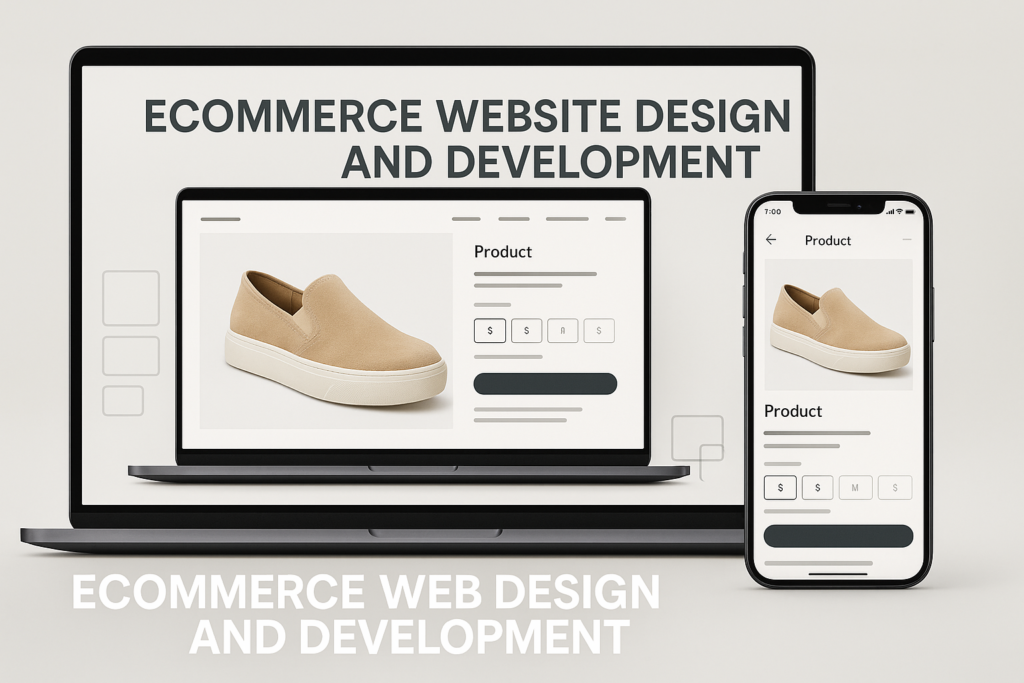
Ecommerce Website Design and Development: Aligning UX for Growth
Too many ecommerce builds look great but stall sales—because UX, development, and analytics were never truly in sync. Savvy brands know that a high-performing ecommerce website isn’t about launching a new look and waiting for conversions. It’s about engineering every touchpoint for growth from the start. If you’re investing in ecommerce website design and development, a siloed approach almost always leaves revenue on the table.
Today’s ecommerce leaders are focused on total business performance: increasing conversion rates, reducing friction, and extracting the most value from every site session. That means design, UX, development, and measurement must move together. Here’s how aligning these pillars—early and often—sets the stage for quantifiable ecommerce success, and how D2C Design helps clients realize that advantage.
Why Alignment Matters in Ecommerce Website Design and Development
Many brands treat ecommerce web design and development as sequential tasks—design comes first, then get it coded, then worry about analytics and site speed later. In reality, this disconnect invites costly technical debt and missed opportunities. Elite ecommerce design services begin by embedding UX, strategy, visual design, and development standards into one unified process.
- Seamless UX: When user experience guides structure and flow, teams prevent friction points that kill conversion rates.
- Performance-Ready Code: Developers account for fast load times, mobile optimization, and clean handoffs early—avoiding rewrites that delay launch.
- Actionable Measurement: Sites are built with analytics, tracking, and CRO in mind, so every campaign and onsite test generates usable insight from day one.
Misalignment across these teams doesn’t just slow projects—it cuts directly into lifetime customer value, returning visitors, and daily revenue.
From Wireframes to Launch—Building for Growth, Not Just Looks
It’s easy to focus on visuals or a “cool” Shopify theme, but true ecommerce growth depends on designing for real buyer behavior. A practical, conversion-first process ties together UX research, visual systems, and technical requirements before a single pixel is finalized.
- Design Systems for Conversion: Consistent UI patterns, responsive layouts, and clear calls to action let customers shop with confidence—driving higher AOV and fewer abandoned carts.
- Buyer-Focused Content: Messaging, product data, imagery, and merchandising need to speak to your ideal buyer at every stage of their decision.
- Technical Scalability: Whether you’re building on Shopify or planning a replatform, tight collaboration ensures your stack is built for future marketing, not just today’s launch.
If you’re considering Shopify development or migration services, this alignment becomes even more mission-critical. Mismatched plugins, inconsistent design elements, or fragile workarounds will always show up in your cart abandonment and bounce rates months later. Performance lives (or dies) in the planning stage.
A Practical Framework: Aligning UX, Design, Development & Analytics
Want to prevent the classic pitfalls of ecommerce website development services? Here’s the alignment checklist D2C Design uses at every project start:
- Discovery & Audit: Gather data, interview stakeholders, and analyze current conversion paths and UX gaps.
- Define User Journeys: Map buyer segments, intent, and friction points across all devices and site entry paths.
- Design for Action: Craft page layouts, flows, and product hierarchies with a bias toward clarity, trust, and purchase intent.
- Planned Development: Developers anticipate modularity, site speed, technical SEO, and content flexibility, not just “pixel-perfect” builds.
- Measurement as a Feature: Integrate event tracking, session replay, Google Analytics 4, and key ecommerce KPIs at launch—not later.
By using this framework, brands avoid fragmented site launches and years of CRO “patch work.” You emerge with a flexible, revenue-ready ecommerce site that is easy to iterate.
Measurement and Iteration: The Foundation of Lasting Revenue
Launching a new ecommerce site isn’t the end—it’s the beginning of ongoing optimization. When analytics, tracking, and CRO frameworks are baked in from the start, your team knows exactly what is (and isn’t) working.
- Clarity on Conversion Metrics: Define and monitor the numbers that truly matter, from checkout completion rates to repeat purchase behavior.
- Faster A/B Testing: With strong tech foundations and clear data, teams can test new offers, pages, or flows without breaking the site or slowing campaigns.
- Prove ROI for every new feature, performance initiative, or retention push.
That’s the difference between a vanity website and a true ecommerce growth engine. Every improvement should be measurable and connected to revenue.
Final Thoughts
Ecommerce growth isn’t luck. It’s engineered by aligning every discipline—UX, design, development, and analytics—around the customer experience and business goals from day one. Most ecommerce sites underperform because teams stay siloed for too long. Align your next project around outcomes, not just deliverables, and you’ll set the foundation for lasting, compounding growth.
Ready to see how your site measures up? Request a Free Ecommerce Website Audit from D2C Design and get actionable insights for unlocking hidden growth opportunities.
Common Questions
What’s the difference between ecommerce website design and development?
Ecommerce website design focuses on layout, user journeys, branding, and visual storytelling—the look and flow that guide shoppers toward purchase. Development turns those designs into a live, functional website with secure checkout, performance optimization, and seamless integration with ecommerce tools and platforms. Both must align for scalability and conversion.
How does early UX planning impact ecommerce site ROI?
Early UX planning identifies buyer needs, reduces friction, and builds trust before launch, leading to higher conversion rates and greater lifetime value. Brands that invest upfront in UX strategy avoid expensive post-launch fixes and see a faster path to results.
What should I ask an ecommerce web design and development agency before starting a project?
Ask about their process for aligning UX, design, development, and tracking. Ensure their team embeds analytics from the start, has a track record of conversion-focused builds, and offers clear frameworks for testing and site performance. Clarity on communication, deliverables, and support is also essential.
How does aligning development with analytics improve site performance and conversion?
When developers and data specialists collaborate, the result is a site structure and codebase built for CRO and optimization. Critical user actions are tracked, friction is quickly diagnosed in the data, and improvements are implemented faster—leading to incremental revenue instead of ongoing frustration.