
Ecommerce email marketing is the retention engine that follows acquisition and turns one-time buyers into long-term customers. For Shopify brands, email and ecommerce sms marketing create a more efficient path to growth by increasing repeat purchase rate, improving margin, and strengthening customer retention ecommerce performance.
We build and manage retention systems that combine strategy, automation, campaigns, and optimization. From Shopify email campaigns to lifecycle flows and SMS coordination, every send is built to move revenue, not just fill a calendar.
Paid media can generate demand, but retention is what improves the economics behind that demand. When more customers come back to buy again, CAC pressure drops, lifetime value rises, and each acquisition channel performs better.
A structured ecommerce email marketing strategy gives brands control over what happens after the first conversion. Instead of relying on one-off promotions, you create a coordinated system that keeps customers engaged across the full lifecycle.

Retention works best when it connects with the rest of your growth model. Brands that already invest in content marketing services often see stronger performance when traffic and retention are aligned around the same customer journey.
Strong retention is not a monthly newsletter. It is an operating system built around behavior, timing, segmentation, and commercial intent. The right ecommerce email marketing strategy uses Shopify customer data to deliver more relevant messages at every stage of the lifecycle.
That includes foundational automations, consistent campaigns, and ongoing optimization across audience segments. The goal is simple: raise customer lifetime value through more precise communication and stronger conversion paths.
Retention also benefits from coordinated channel planning. When paired with social media strategy and execution, your brand message stays consistent across acquisition and owned channels, improving both conversion quality and repeat engagement.
We approach ecommerce email marketing as an operational growth function, not a creative add-on. Our process is designed for brands that need disciplined execution, reliable reporting, and clear commercial accountability.
We assess current flows, campaigns, segmentation, deliverability, list quality, and channel contribution. This identifies where retention revenue is underperforming and where the highest-value opportunities sit.
We define what customers should receive from sign-up through repeat purchase, inactivity, and reactivation. This becomes the framework for a stronger ecommerce email marketing strategy.
We build the automation layer around high-intent triggers, customer behavior, and product purchase patterns. This includes welcome, abandonment, post-purchase, replenishment, win-back, and loyalty journeys.
We develop a campaign calendar tied to launches, offers, merchandising priorities, and trading periods. Shopify email campaigns are built to support both immediate conversion and long-term customer value.
Ecommerce sms marketing is integrated where speed and response matter most. We coordinate email and SMS so each channel has a clear role instead of competing for the same attention.
Every send is shaped by audience relevance, brand positioning, and conversion intent. We test subject lines, timing, offers, messaging structures, and segment logic to keep performance moving forward.
We track performance against commercial outcomes such as repeat purchase rate, revenue per recipient, flow revenue share, list growth quality, and retention trends. The focus stays on business impact, not send volume.
Good retention marketing does more than generate opens and clicks. It should improve how the business performs at a revenue and margin level.
Our role is to make ecommerce email marketing and ecommerce sms marketing accountable to growth. That means tying activity back to retention rate, contribution to total revenue, and the long-term value of your customer base.
from more effective lifecycle communication
through better reactivation and loyalty
from post-purchase, replenishment, and cross-sell sequences
from abandonment and browse recovery programs
through sharper segmentation and send discipline
from structured ecommerce email marketing strategy
because existing customers generate more revenue
Ecommerce email marketing is the use of automated flows and scheduled campaigns to convert subscribers, recover abandoned journeys, increase repeat orders, and improve customer lifetime value.
Ecommerce sms marketing supports retention by delivering short, direct messages for urgent offers, reminders, restocks, and high-intent conversion moments. It works best as a coordinated channel, not as a standalone tactic.
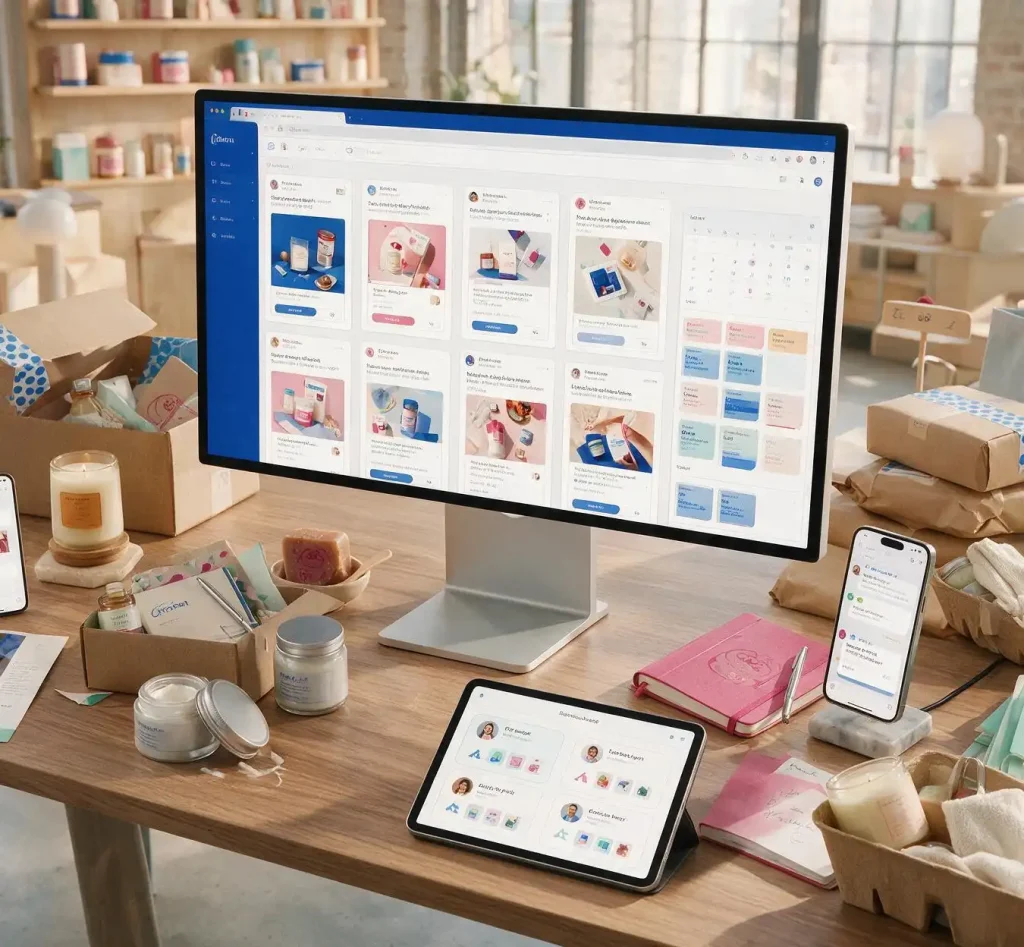
Lifecycle marketing means sending the right message based on where the customer is in the buying journey. That includes first-time visitors, new subscribers, first-time buyers, repeat customers, high-value segments, and lapsed purchasers.
Shopify brands need automations when behavior should trigger communication automatically. They need Shopify email campaigns when they are promoting launches, offers, seasonal events, or broader merchandising priorities.
Retention increases LTV by creating more purchase occasions across the customer relationship. A strong ecommerce email marketing strategy improves frequency, order value, and brand engagement without depending entirely on new customer acquisition.
If acquisition brings customers in, retention is what expands their value. A disciplined ecommerce email marketing program gives Shopify brands a reliable way to grow repeat revenue, improve efficiency, and create a stronger base for scale.
Whether you need to rebuild underperforming flows, improve Shopify email campaigns, or connect email with ecommerce sms marketing, the next step is clarity. Start with a free audit to identify revenue gaps, lifecycle weaknesses, and the highest-impact retention opportunities.
Ecommerce email marketing is the use of email campaigns and automated flows to drive sales, retention, and customer lifetime value for online stores. It includes promotions, lifecycle messaging, abandoned cart recovery, post-purchase communication, and reactivation.
A strong ecommerce email marketing strategy improves timing, segmentation, and message relevance across the customer lifecycle. That leads to more repeat purchases, better engagement, and stronger customer retention ecommerce results.
High-impact Shopify email campaigns usually include promotional sends, product launches, seasonal campaigns, and customer segment offers. These work best when supported by always-on lifecycle automations such as welcome, abandonment, and post-purchase flows.
Ecommerce sms marketing complements email by handling urgent, high-intent communication such as flash offers, reminders, and restock alerts. When coordinated properly, SMS increases responsiveness while email carries more depth, merchandising, and lifecycle education.
Most Shopify stores should start with welcome, browse abandonment, cart abandonment, post-purchase, and win-back automations. These flows usually create the fastest return because they target key conversion and retention moments.
Customer retention ecommerce performance is measured through repeat purchase rate, retention rate, LTV, revenue per recipient, flow contribution, and reactivation performance. These metrics show whether retention channels are creating real commercial value.
Send frequency depends on product type, buying cycle, audience engagement, and list quality. The right approach balances consistency with relevance, using segmentation and testing to avoid fatigue while protecting revenue opportunity.
A well-run program should improve repeat revenue, customer lifetime value, conversion recovery, and overall efficiency of acquisition spend. Results depend on list quality, traffic volume, product demand, and how mature the existing ecommerce email marketing setup is.